The role of natural light in residential interiors
Category
Residenial Interior
Published
Nov 19, 2025
Posted By
Elena Rossi — Senior Designer

Exploring how light influences proportion, materiality, and the overall atmosphere of a living environment.
Introduction
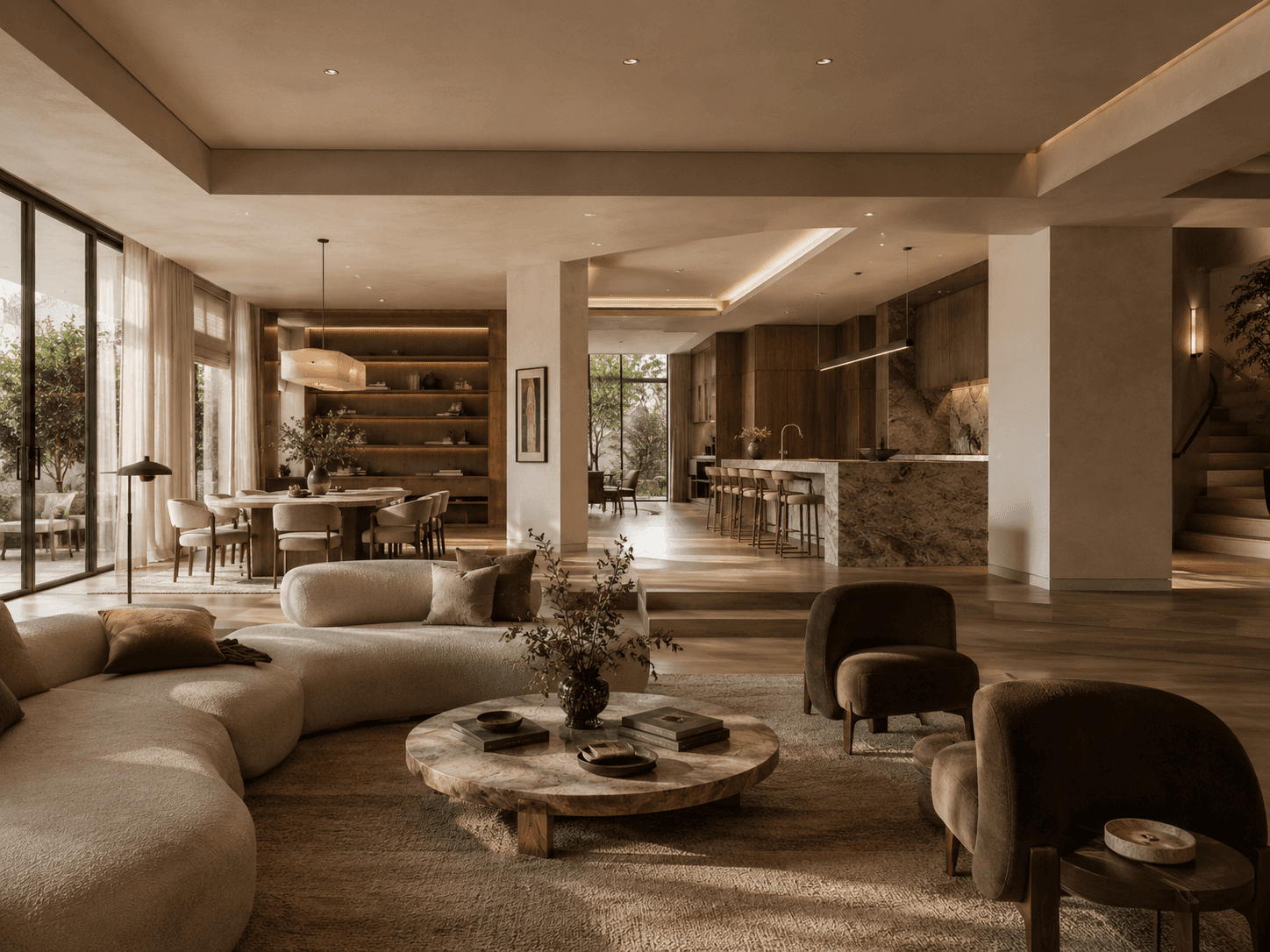
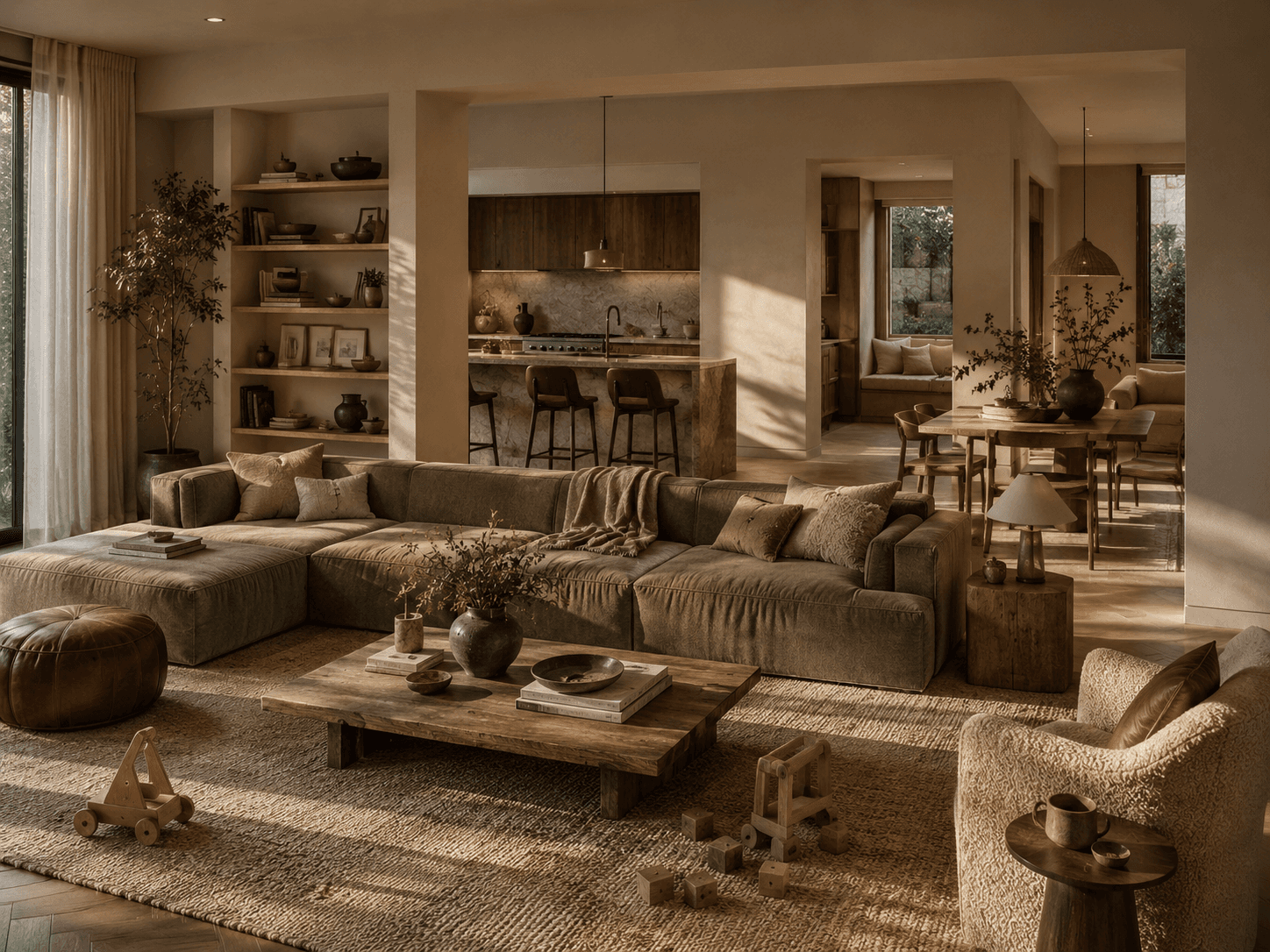
Natural light influences nearly every aspect of a residential interior — from perceived proportion and material warmth to emotional atmosphere throughout the day.
The studio considers light as an architectural element rather than simply a functional necessity.
Designing Around Light
Rather than forcing interiors to compete visually, Maison often allows natural light to become the defining feature of a space.
Spatial planning, furniture placement, and material selection are carefully adjusted to support changing light conditions throughout the day.
Material Response
Materials behave differently depending on natural light exposure. Stone surfaces soften, timber develops warmth, and textured plaster gains depth through subtle shadow variation.
The studio frequently tests materials under varying daylight conditions before final specification.
“Light introduces atmosphere naturally. Good interiors simply allow it to move well through the space.”
Balancing Natural and Artificial Lighting
Artificial lighting should support rather than overpower the architectural qualities of a home.
Layered lighting systems — integrated architectural lighting, decorative fixtures, and softer ambient sources — help maintain warmth during evening hours while preserving visual calm.
Closing Thoughts
Homes shaped thoughtfully around natural light tend to feel calmer, more spacious, and increasingly connected to daily living.
For Maison, light remains one of the most important materials within residential design.