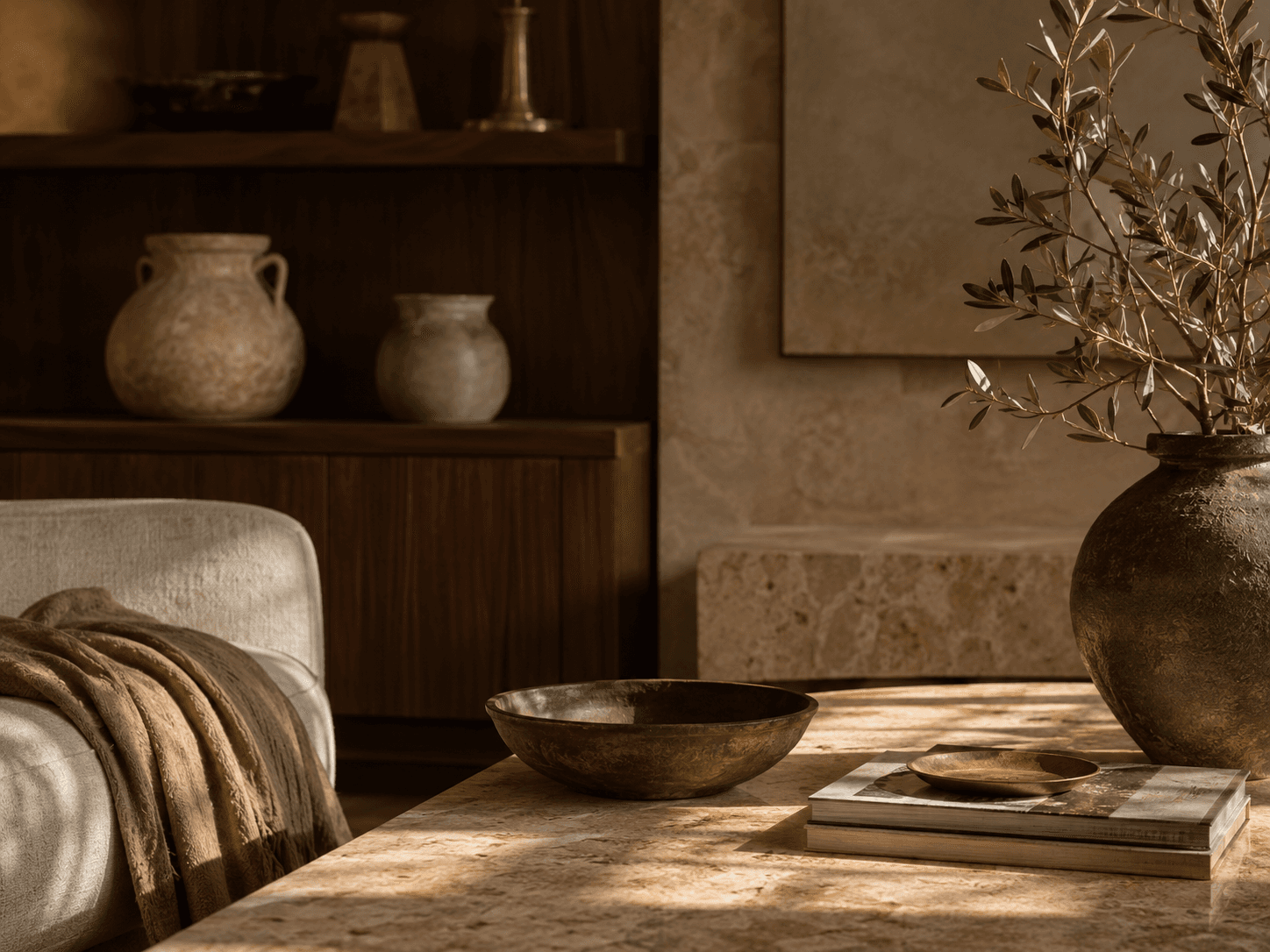
Why proportion matters more than decoration
Category
Interior Architecture
Published
Feb 18, 2026
Posted By
Sofia van Houten — Senior Interior Architect
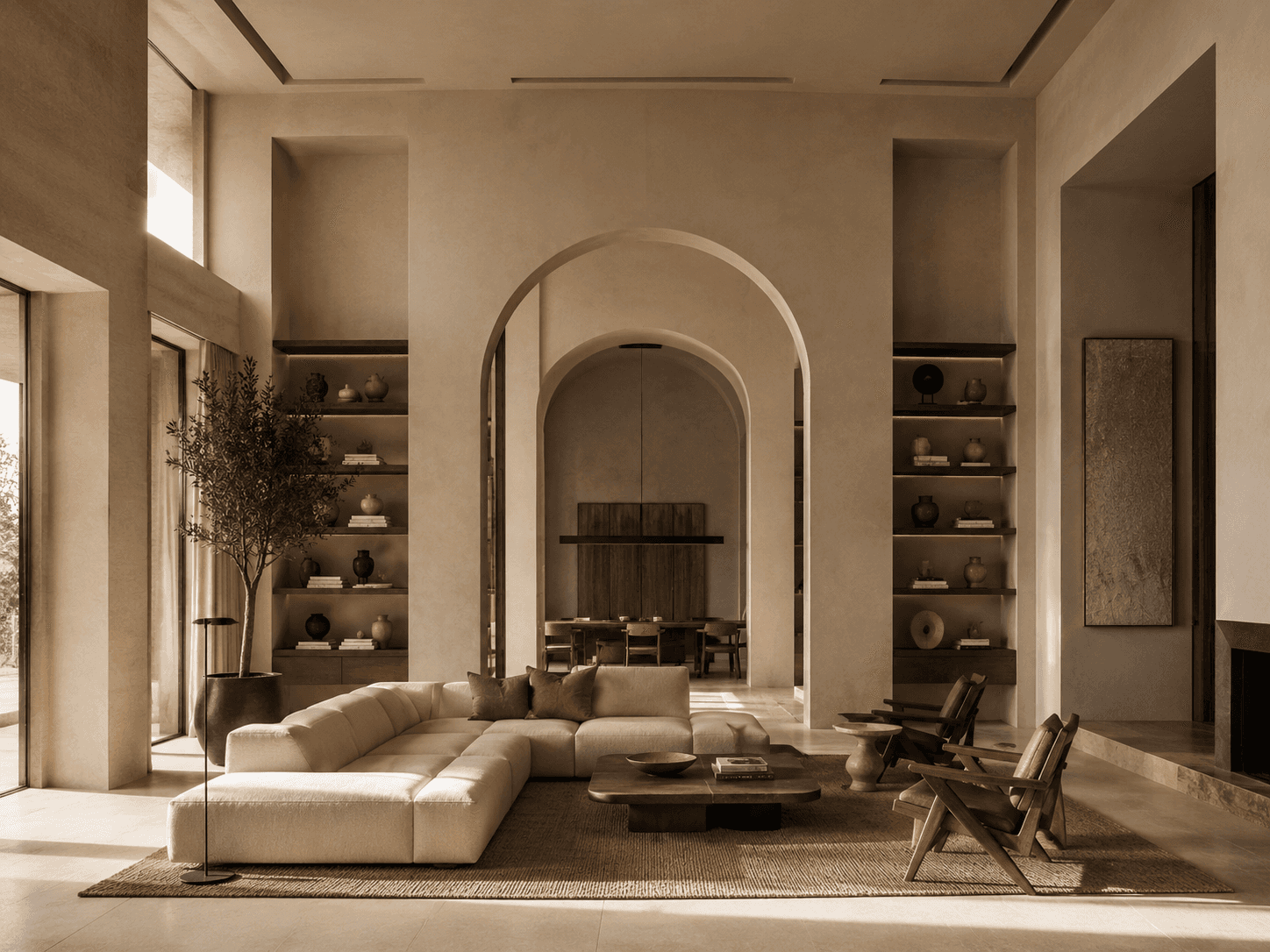
How spatial balance and architectural rhythm shape the atmosphere of a home long before decorative elements are introduced.
Introduction
In contemporary residential interiors, decoration often arrives before proportion is fully resolved. Materials, objects, and visual references are layered into a space that may still lack balance at an architectural level.
Yet the interiors that feel calm, enduring, and naturally cohesive are rarely defined by decoration alone. More often, they are shaped through proportion — the quieter relationship between scale, circulation, ceiling height, natural light, and spatial rhythm.
At Maison, proportion is considered long before furniture or finishes enter the conversation.
Understanding Spatial Rhythm
Proportion influences how a space is experienced physically and emotionally. Ceiling heights, doorway alignments, room transitions, and sightlines all contribute to a sense of continuity throughout a residence.
When these relationships feel unresolved, even beautifully furnished interiors can appear visually restless. Conversely, balanced spatial proportions often allow interiors to feel composed with relatively little visual intervention.
Architecture Before Decoration
The studio approaches residential interiors architecturally first — refining layouts, circulation, and spatial hierarchy before considering decorative layers.
This process often involves simplifying transitions between rooms, introducing greater openness, or reducing unnecessary architectural interruption.
Decoration should support the architecture of a space rather than compensate for it.
“The most memorable interiors are often the ones where proportion feels effortless rather than visibly designed.”
The Role of Negative Space
Visual calm frequently comes from restraint. Leaving areas intentionally unresolved or visually quieter allows materials, light, and architecture to breathe naturally.
Negative space creates rhythm within interiors — particularly in residential environments where everyday living already introduces movement, texture, and visual complexity over time.
Closing Thoughts
Well-proportioned interiors rarely rely on trend-driven gestures to feel relevant. Their longevity comes from architectural balance, thoughtful planning, and spaces that support daily life naturally.
For Maison, decoration is most successful when it emerges from an already resolved architectural framework.